
Conveyor Package for FGD
Flue gas desulphurisation (FGD) removes sulphur dioxide (SO2) from the flue gas of coal-based thermal power plants before it reaches the chimney.
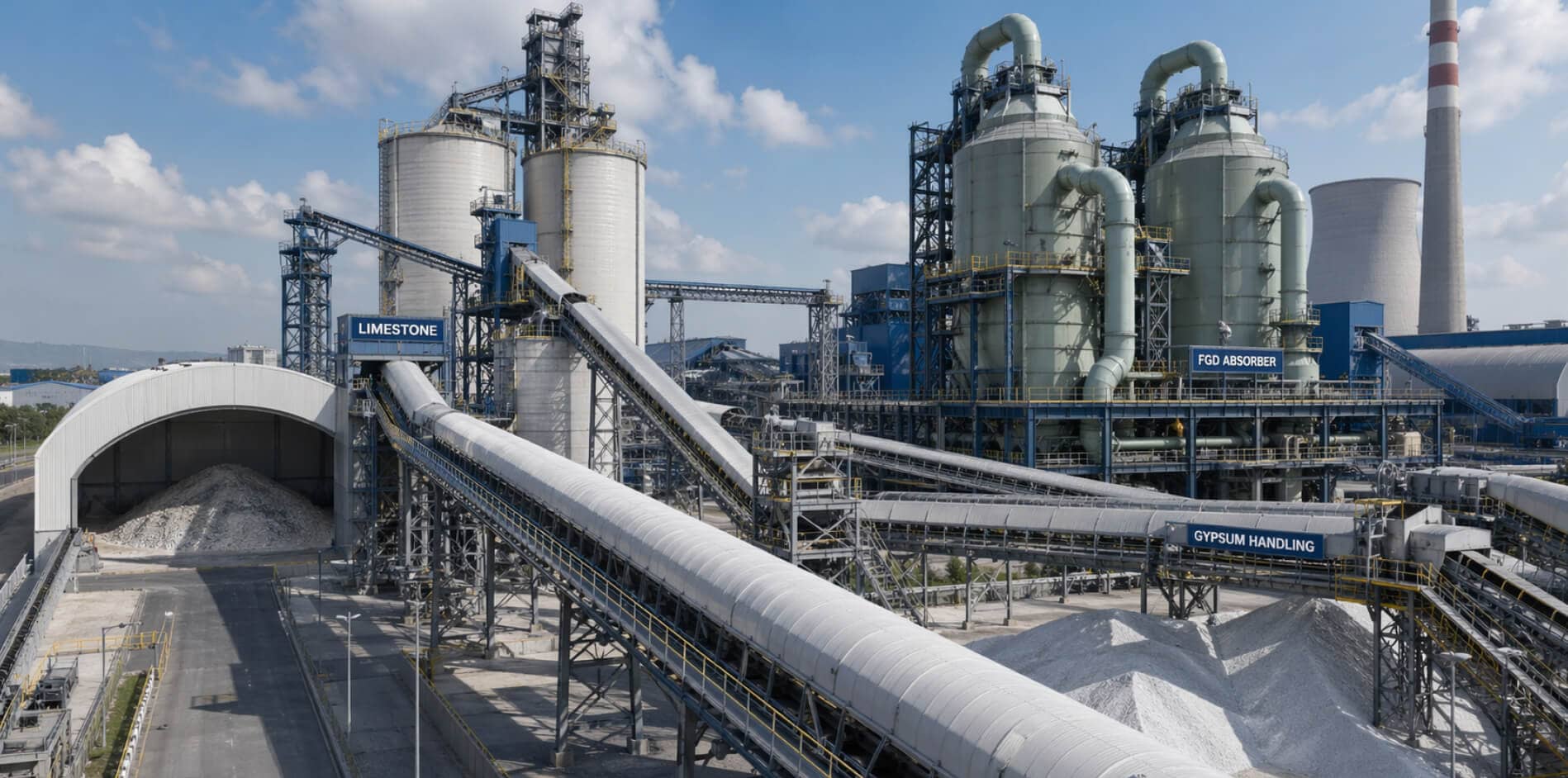

A wet FGD plant consumes limestone as its reagent and produces gypsum, so it depends on reliable limestone and gypsum handling. Macawber Beekay supplies both as one integrated conveyor package for wet FGD plants, as an EPC supplier.
Why Power Plants Need FGD
Coal and other fossil fuels contain significant amounts of sulphur. On combustion, 95 to 96% of the sulphur in the fuel converts to sulphur dioxide (SO2). Released to the atmosphere, SO2 causes acid rain, corrodes buildings and structures and harms living beings. Coal-based power plants are among the largest producers of air pollutants, so FGD plants are installed at thermal power stations to remove SO2 from the flue gas before it is discharged.
How Wet FGD Works
Of the FGD techniques used in power plants, wet FGD is considered the most efficient at reducing SO2 emissions from inland coal-based plants. The flue gas passes through a scrubber that works like a shower: the gas rises while water showers down on it, the sulphur dissolves in the water, and the cleaned gas passes up the chimney.
The acidic liquor flows out of the scrubber and is neutralised with limestone (calcium carbonate), forming calcium sulphate, water and carbon dioxide. The calcium sulphate, known as desulphurised gypsum, is sold to plasterboard and plaster manufacturers. The simplified reaction in the absorber tower of a limestone-based wet FGD plant is:
CaCO3 (limestone) + SO2 (in flue gas) + 3H2O + ½O2 (oxidation) = CaSO4·2H2O (gypsum) + CO2 + H2O
Limestone and Gypsum Handling Package
Limestone is the key reagent and gypsum the major tail-end product of an FGD system, so limestone handling and gypsum handling are an important and integral part of every wet FGD plant. Macawber Beekay offers limestone and Gypsum Handling Systems for wet FGD plants and provides an integrated package for both products as an EPC supplier, alongside its Coal Handling Plants and Bulk Material Handling.
The stages below follow Macawber Beekay's typical package from the rail rake to the gypsum stockpile.
Further Reading
Last reviewed
FGD Conveyor Package
| Application | Wet flue gas desulphurisation (FGD) plants |
|---|---|
| Handles | Limestone (reagent) and gypsum (by-product) |
| Scope | Integrated package for both products |
| Contract basis | EPC supply |
| Plant type | Coal-based thermal power plants |
Talk to Our Engineers
Our team in Noida answers enquiries on Conveyor Package for FGD.
Get in Touch+91 120 450 7700How It Works, Stage by Stage
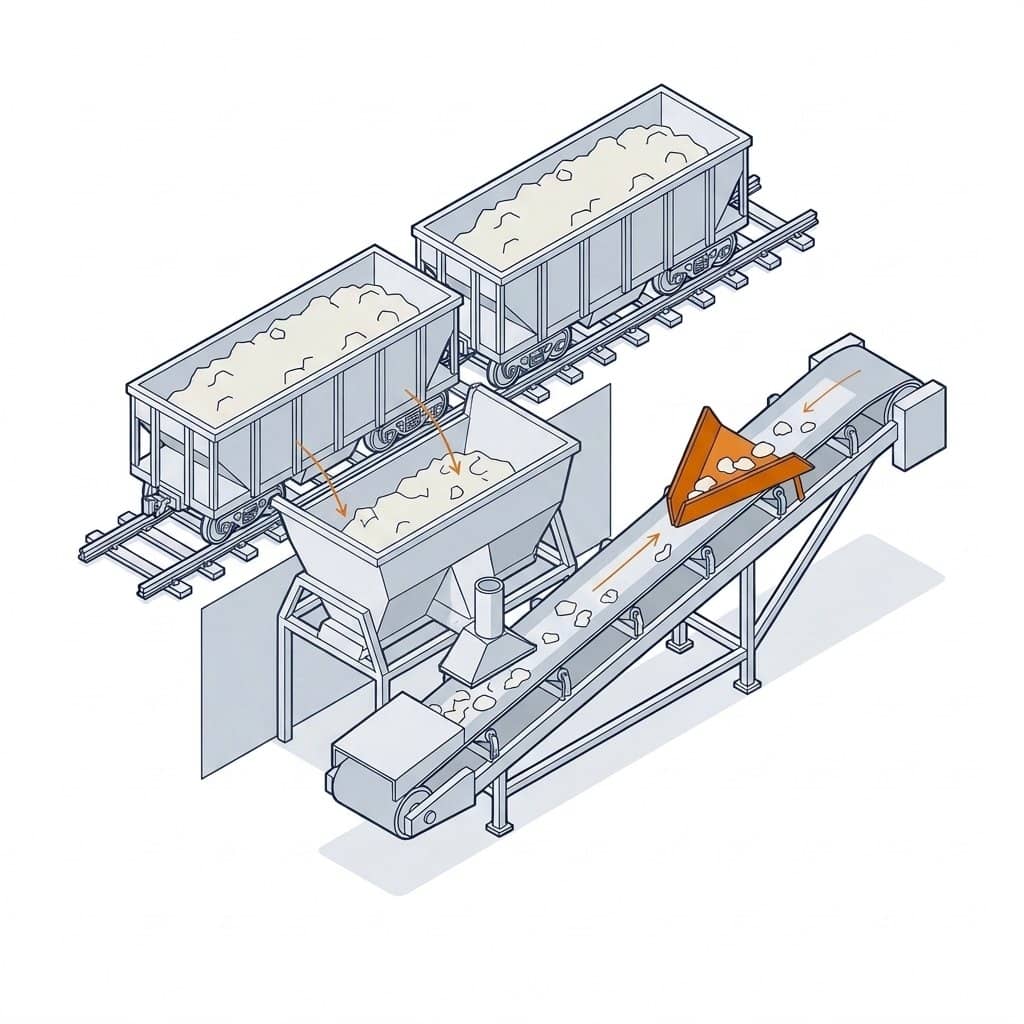
Receive the Limestone
Limestone arrives by rail rake and runs onto the incoming conveyor. A V-plough diverter routes it into the Limestone Handling System, with dust extraction at the transfer points.
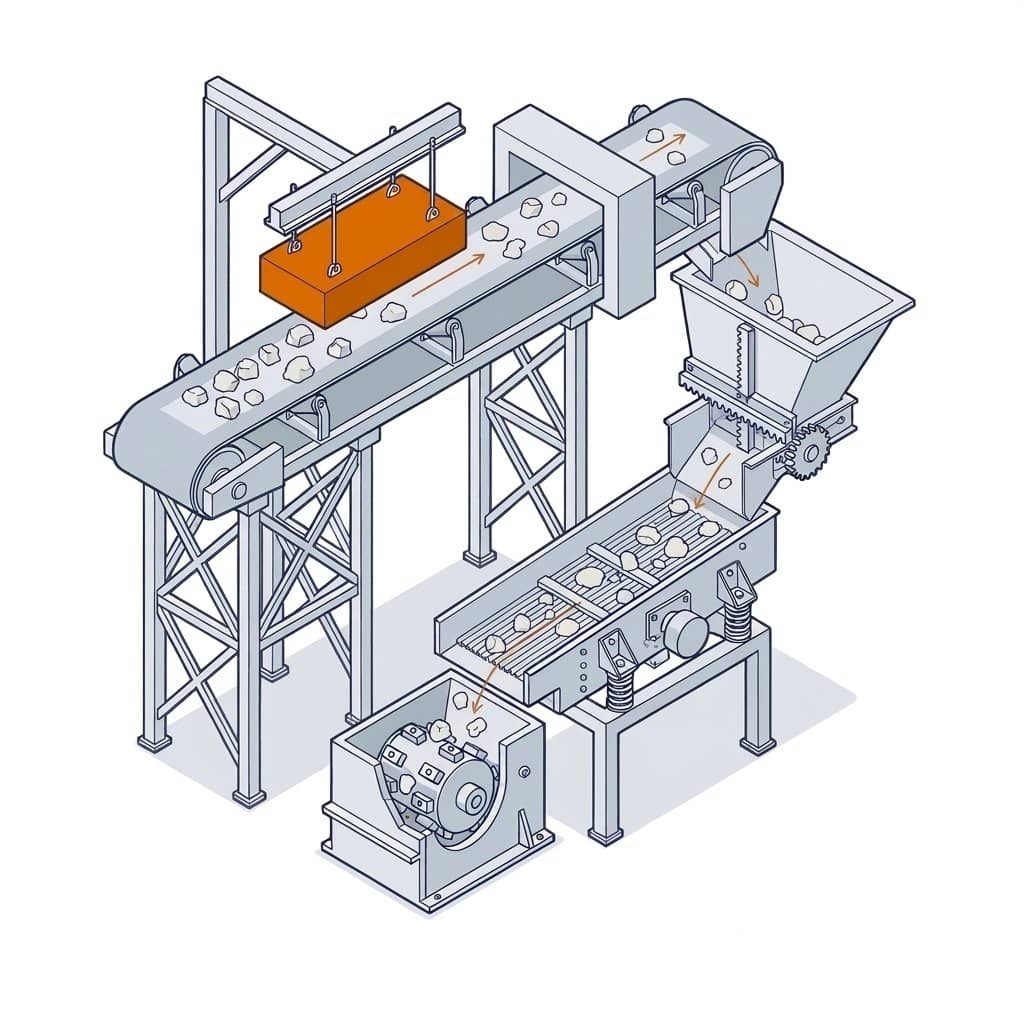
Clean and Crush
A metal detector, an in-line magnetic separator and a suspended magnet remove tramp iron. A rack and pinion gate and a vibrating screen feeder pass the limestone to the crusher.
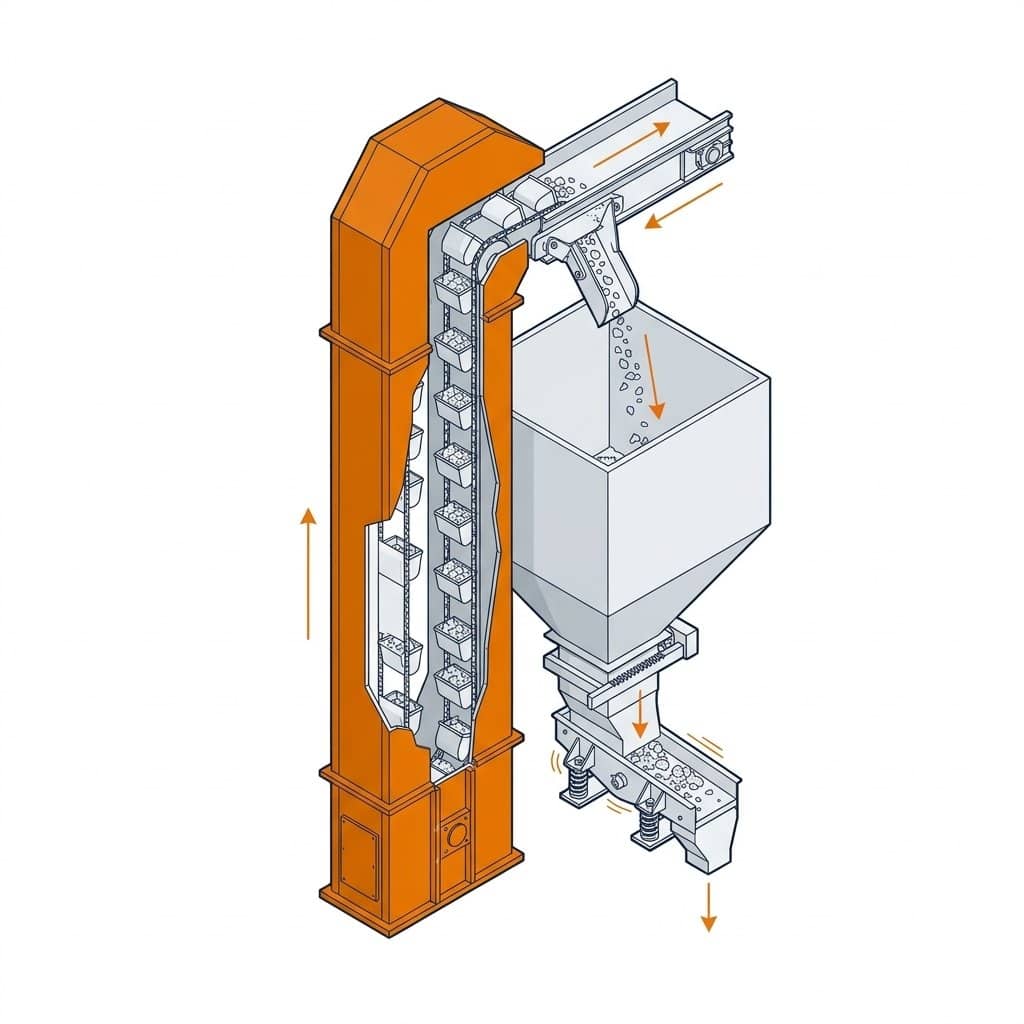
Elevate and Store
Bucket elevators lift the crushed limestone and a plough diverter fills the storage bin. A rack and pinion gate and a vibrating feeder draw it off to the next bucket elevator.
Feed the Mill and Absorber
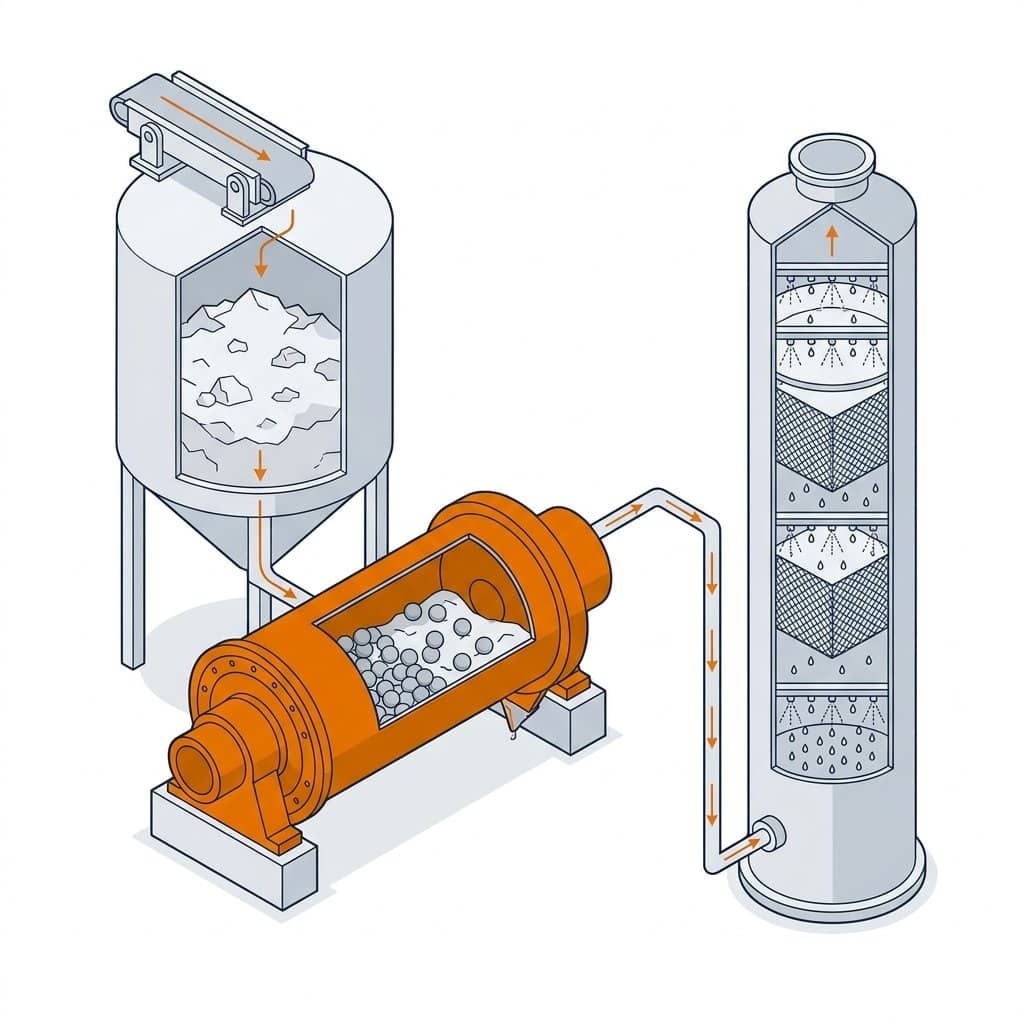
A reversible belt feeder fills the limestone silo, which feeds the limestone mill and FGD process plant. There the limestone becomes the slurry that scrubs sulphur dioxide from the flue gas.
Dewater and Dispatch Gypsum
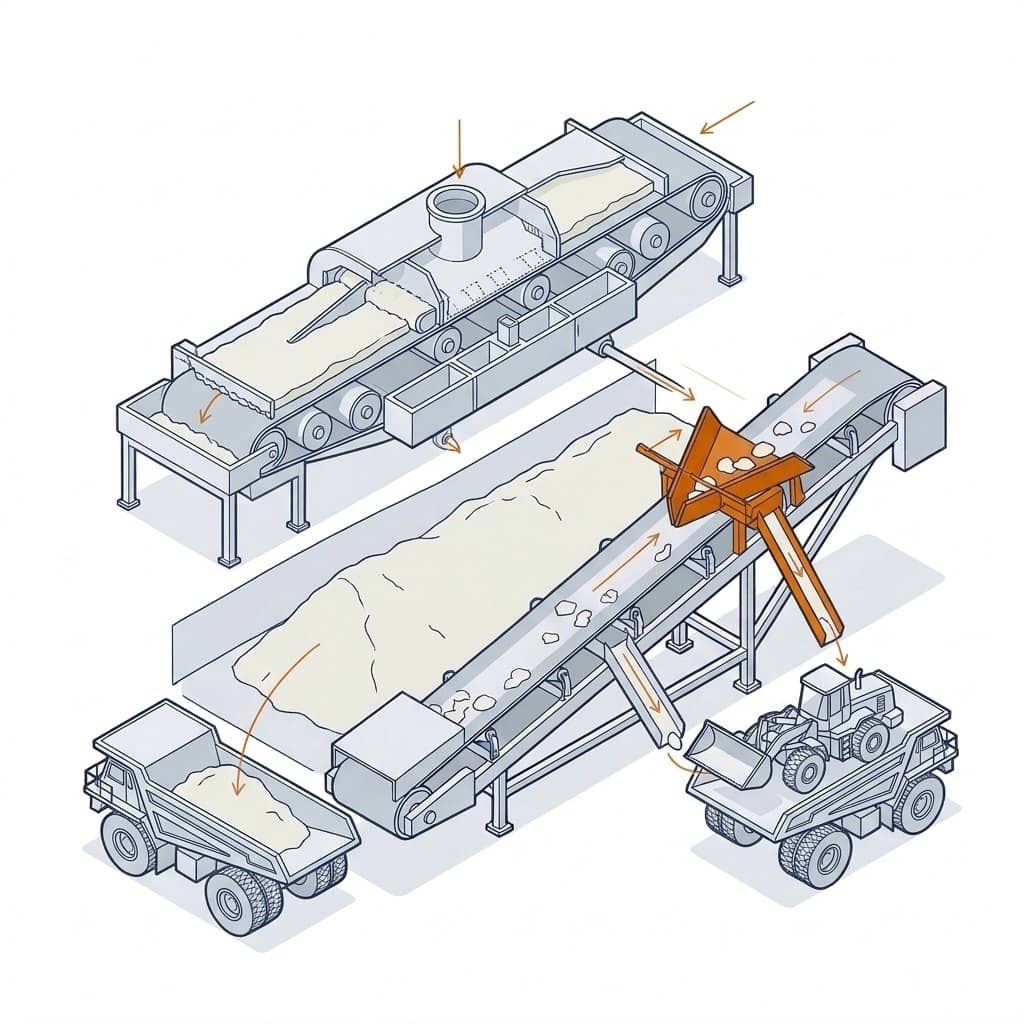
Gypsum from the absorber is dewatered in the gypsum dewatering building, carried by conveyor and travelling tripper to the gypsum stockpile, and loaded into trucks.
Questions Buyers Ask
What is flue gas desulphurisation?
Flue gas desulphurisation (FGD) removes sulphur dioxide from the flue gases of fossil-fuel thermal power plants and other sulphur oxide emitting processes such as waste incineration. About 95 to 96% of the sulphur in coal turns into SO2 on combustion, and SO2 emissions cause acid rain, corrosion of buildings and structures, and health hazards.
Why does a wet FGD plant need limestone and gypsum handling?
Limestone is the key reagent of a limestone-based wet FGD plant, and gypsum is its major tail-end product. Limestone handling and gypsum handling therefore form an important and integral part of every wet FGD plant.
What does Macawber Beekay supply for FGD?
Macawber Beekay offers limestone handling and Gypsum Handling Systems for wet FGD plants and supplies an integrated package for both products as an EPC supplier. Limestone handling feeds the reagent to the absorber, and gypsum handling takes away the desulphurised gypsum that the process produces.
What happens to the gypsum from FGD?
In a limestone-based wet FGD plant, the sulphur removed from the flue gas is neutralised with limestone, forming calcium sulphate, water and carbon dioxide. This calcium sulphate, known as desulphurised gypsum, is the major tail-end product and is sold to plasterboard and plaster manufacturers.
Explore Related Systems.
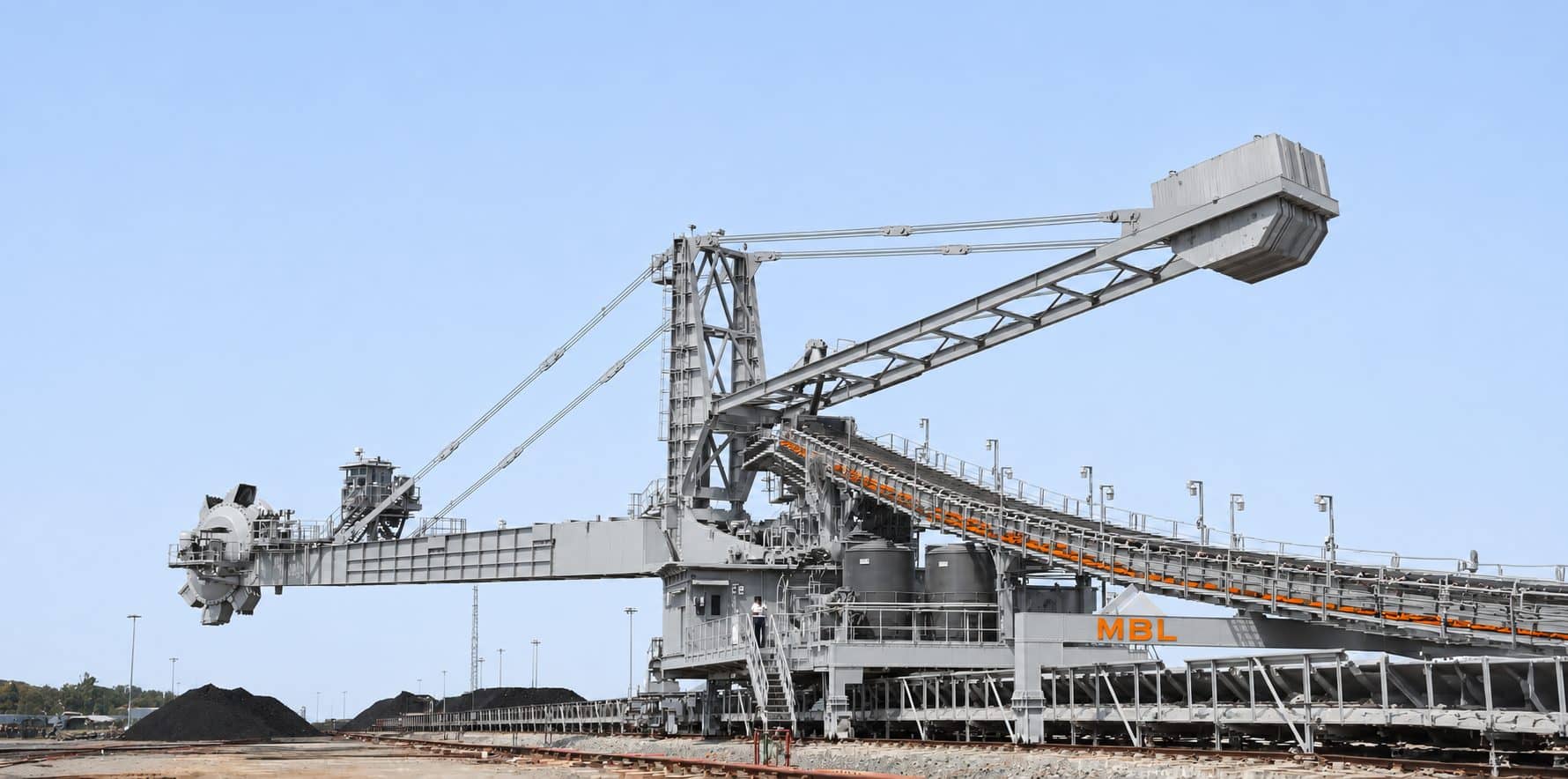 Coal HandlingTurnkey coal and lime handling plants: wagon tipplers, track hoppers, feeders, crushers, screens, stacker-reclaimers, and civil, structural, electrical works.
 Bulk Material HandlingBulk Material Handling: Dense Phase Pneumatic Conveying of cement, raw meal, limestone, sand and dusts, plus mechanical fly ash systems for cement plants.
 Ash HandlingAsh Handling Systems and plants for PF and CFBC boilers: fly ash, bottom ash, dry bottom ash and slurry disposal, designed and built by Macawber Beekay.
 IndustriesMaterial handling for power, cement, alumina, steel, chemicals, sugar, paper and foundry plants: ash, coal, dense phase conveying and red mud disposal.
Talk to Our Engineers.
Planning a conveyor package for fgd project, or upgrading one? Our engineering team in Noida is ready to help.
